
How Solar Racking Manufacturers Design Row Spacing to Reduce Shading Losses
July 01, 2026
In ground-mounted photovoltaic projects, every meter of available land affects the balance between energy production, installation cost, and long-term profitability. One of the most critical layout decisions is the distance between solar panel rows. If rows are positioned too closely, one array can cast shadows on another, reducing electricity generation and creating uneven module performance.
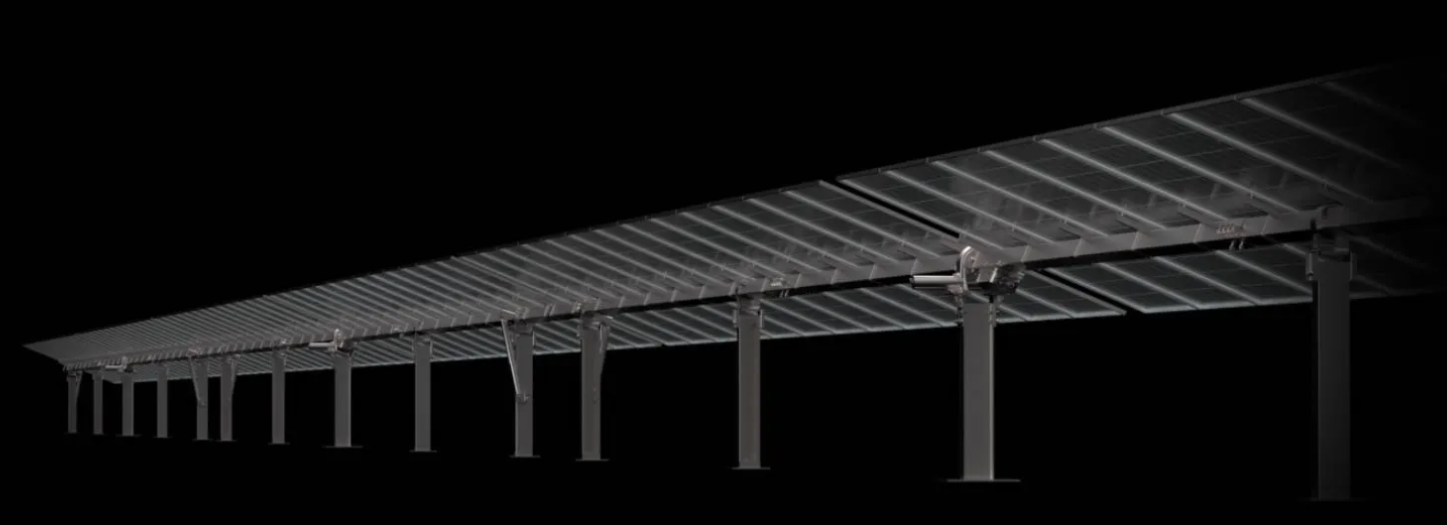
Solar mounting manufacturers play an important role in solving this challenge by combining structural design, solar simulation, and site-specific engineering. Optimized row spacing is not simply about creating larger gaps between arrays. It requires finding the most efficient distance that minimizes shading losses while maintaining high land utilization.
Why Row Spacing Matters in Solar Mounting Design
The space between two photovoltaic rows directly influences how much sunlight reaches each module throughout the year. When the sun is lower in the sky, especially during winter months or at higher latitudes, shadows become longer and can easily extend across adjacent rows.
For utility-scale solar plants, excessive shading can reduce annual energy yield and affect project economics. Research on PV field layouts shows that inter-row spacing influences both direct shading and diffuse radiation losses, meaning the impact is more complex than simply measuring visible shadows.
However, increasing row spacing also creates disadvantages. Larger gaps require more land, longer cable routes, and potentially higher balance-of-system costs. Therefore, racking engineers must identify a spacing solution that provides the best return rather than eliminating all shadows at any cost.
How Solar Racking Manufacturers Calculate Optimal Row Spacing
Solar racking manufacturers typically begin row spacing design by analyzing several project-specific parameters. There is no universal spacing value because every solar site has different environmental and structural conditions.
The first factor is the project location. Latitude determines the sun’s angle throughout the year, which directly affects shadow length. A solar farm located farther from the equator usually requires greater spacing because lower winter sun angles create longer shadows.
Panel tilt angle is another major consideration. A steeper mounting angle can improve solar exposure but also increases the height difference between the front and rear edges of modules. This can create longer shadows on following rows.
Module dimensions, table configuration, and mounting height are also included in the calculation process. A longer module layout or higher rear edge changes the shadow profile and may require adjustments to the distance between structures.
Modern solar mounting manufacturers use specialized design software and shading analysis tools to simulate sun paths throughout different seasons. These simulations help engineers determine spacing that achieves acceptable energy losses while maximizing installed capacity.
Balancing Energy Yield and Land Utilization
A common mistake in solar project planning is focusing only on maximum panel density. Installing more modules in a smaller area may appear attractive, but closely packed rows can reduce the output of the entire system.
Solar developers often face a trade-off between installing more capacity and maintaining higher production efficiency. Wider spacing may improve energy generation per module, but it can reduce the total number of panels installed on a fixed site.
The best approach is economic optimization. Engineers evaluate the expected annual energy gain against additional land requirements and construction costs. The goal is not zero shading under every condition but achieving the most profitable system layout.
For this reason, professional solar mounting manufacturers consider row spacing as part of the complete PV engineering process rather than treating it as an isolated structural measurement.
Engineering Factors That Improve Shading Performance
Beyond spacing calculations, racking system design can reduce shading-related losses through several engineering improvements.
Adjustable mounting solutions allow project designers to adapt structures according to local conditions. For example, sites with uneven terrain may require customized row positioning to maintain consistent sunlight exposure across the array.
The orientation of modules also affects shadow behavior. Different layouts, such as portrait or landscape configurations, change how shadows move across module surfaces. Engineers analyze these configurations to reduce the impact on electrical performance.
Tracker systems introduce additional considerations because the module angle changes throughout the day. For tracking projects, spacing must account for dynamic movement rather than a fixed tilt position. Improper spacing can create new shading issues when trackers rotate into certain positions.
Electrical design is also connected to shading management. Since partial shading can influence string performance, engineers often combine optimized mechanical layouts with suitable string configurations and inverter selection to reduce overall losses.
Common Row Spacing Mistakes in Solar Projects
One frequent mistake is using standard spacing rules without considering actual site conditions. A spacing distance that works well in one region may create unnecessary losses in another location.
Another issue is ignoring seasonal shadow patterns. A design that looks acceptable during summer may experience significant losses during winter when the sun angle changes.
Some projects also prioritize maximum land coverage without calculating the impact on annual energy production. Although more modules can increase installed capacity, reduced output from shading may lower the overall financial return.
Working with experienced solar mounting manufacturers helps avoid these problems because they evaluate structural requirements together with energy performance targets.
Future Trends in Row Spacing Optimization
Solar mounting design is becoming increasingly data-driven. Advanced simulation platforms, digital site models, and automated layout tools are helping engineers create more accurate spacing strategies.
Bifacial modules and advanced tracker technologies are also changing traditional spacing approaches. These technologies require designers to consider rear-side light collection, movement range, and changing shadow conditions.
As project sites become more valuable and solar installations expand into challenging environments, optimized row spacing will become even more important. The future of PV layout design will focus on achieving the highest energy output from every available area.
Conclusion
Optimizing row spacing requires a combination of structural expertise, solar resource analysis, and practical project experience. The right design reduces shading losses while maintaining efficient land use and reliable long-term performance.
Achieving success in PV projects requires balancing engineering details with the realities of site operation—this is our core belief at Antaisolar. Mounting solutions that are carefully designed offer developers a clear path to higher efficiency and better returns. We keep supporting projects worldwide by bringing professional engineering expertise to every aspect of mounting system performance.
Solar mounting manufacturers play an important role in solving this challenge by combining structural design, solar simulation, and site-specific engineering. Optimized row spacing is not simply about creating larger gaps between arrays. It requires finding the most efficient distance that minimizes shading losses while maintaining high land utilization.
Why Row Spacing Matters in Solar Mounting Design
The space between two photovoltaic rows directly influences how much sunlight reaches each module throughout the year. When the sun is lower in the sky, especially during winter months or at higher latitudes, shadows become longer and can easily extend across adjacent rows.
For utility-scale solar plants, excessive shading can reduce annual energy yield and affect project economics. Research on PV field layouts shows that inter-row spacing influences both direct shading and diffuse radiation losses, meaning the impact is more complex than simply measuring visible shadows.
However, increasing row spacing also creates disadvantages. Larger gaps require more land, longer cable routes, and potentially higher balance-of-system costs. Therefore, racking engineers must identify a spacing solution that provides the best return rather than eliminating all shadows at any cost.
How Solar Racking Manufacturers Calculate Optimal Row Spacing
Solar racking manufacturers typically begin row spacing design by analyzing several project-specific parameters. There is no universal spacing value because every solar site has different environmental and structural conditions.
The first factor is the project location. Latitude determines the sun’s angle throughout the year, which directly affects shadow length. A solar farm located farther from the equator usually requires greater spacing because lower winter sun angles create longer shadows.
Panel tilt angle is another major consideration. A steeper mounting angle can improve solar exposure but also increases the height difference between the front and rear edges of modules. This can create longer shadows on following rows.
Module dimensions, table configuration, and mounting height are also included in the calculation process. A longer module layout or higher rear edge changes the shadow profile and may require adjustments to the distance between structures.
Modern solar mounting manufacturers use specialized design software and shading analysis tools to simulate sun paths throughout different seasons. These simulations help engineers determine spacing that achieves acceptable energy losses while maximizing installed capacity.
Balancing Energy Yield and Land Utilization
A common mistake in solar project planning is focusing only on maximum panel density. Installing more modules in a smaller area may appear attractive, but closely packed rows can reduce the output of the entire system.
Solar developers often face a trade-off between installing more capacity and maintaining higher production efficiency. Wider spacing may improve energy generation per module, but it can reduce the total number of panels installed on a fixed site.
The best approach is economic optimization. Engineers evaluate the expected annual energy gain against additional land requirements and construction costs. The goal is not zero shading under every condition but achieving the most profitable system layout.
For this reason, professional solar mounting manufacturers consider row spacing as part of the complete PV engineering process rather than treating it as an isolated structural measurement.
Engineering Factors That Improve Shading Performance
Beyond spacing calculations, racking system design can reduce shading-related losses through several engineering improvements.
Adjustable mounting solutions allow project designers to adapt structures according to local conditions. For example, sites with uneven terrain may require customized row positioning to maintain consistent sunlight exposure across the array.
The orientation of modules also affects shadow behavior. Different layouts, such as portrait or landscape configurations, change how shadows move across module surfaces. Engineers analyze these configurations to reduce the impact on electrical performance.
Tracker systems introduce additional considerations because the module angle changes throughout the day. For tracking projects, spacing must account for dynamic movement rather than a fixed tilt position. Improper spacing can create new shading issues when trackers rotate into certain positions.
Electrical design is also connected to shading management. Since partial shading can influence string performance, engineers often combine optimized mechanical layouts with suitable string configurations and inverter selection to reduce overall losses.
Common Row Spacing Mistakes in Solar Projects
One frequent mistake is using standard spacing rules without considering actual site conditions. A spacing distance that works well in one region may create unnecessary losses in another location.
Another issue is ignoring seasonal shadow patterns. A design that looks acceptable during summer may experience significant losses during winter when the sun angle changes.
Some projects also prioritize maximum land coverage without calculating the impact on annual energy production. Although more modules can increase installed capacity, reduced output from shading may lower the overall financial return.
Working with experienced solar mounting manufacturers helps avoid these problems because they evaluate structural requirements together with energy performance targets.
Future Trends in Row Spacing Optimization
Solar mounting design is becoming increasingly data-driven. Advanced simulation platforms, digital site models, and automated layout tools are helping engineers create more accurate spacing strategies.
Bifacial modules and advanced tracker technologies are also changing traditional spacing approaches. These technologies require designers to consider rear-side light collection, movement range, and changing shadow conditions.
As project sites become more valuable and solar installations expand into challenging environments, optimized row spacing will become even more important. The future of PV layout design will focus on achieving the highest energy output from every available area.
Conclusion
Optimizing row spacing requires a combination of structural expertise, solar resource analysis, and practical project experience. The right design reduces shading losses while maintaining efficient land use and reliable long-term performance.
Achieving success in PV projects requires balancing engineering details with the realities of site operation—this is our core belief at Antaisolar. Mounting solutions that are carefully designed offer developers a clear path to higher efficiency and better returns. We keep supporting projects worldwide by bringing professional engineering expertise to every aspect of mounting system performance.
end