
How Solar Racking Data Integration Improves BIM-Based PV Project Design
July 01, 2026
The design process of modern photovoltaic projects involves far more than arranging solar modules on a site layout. Engineers must coordinate structural systems, electrical planning, terrain conditions, construction requirements, and long-term maintenance access. When these elements are developed separately, design conflicts can appear during later project stages.
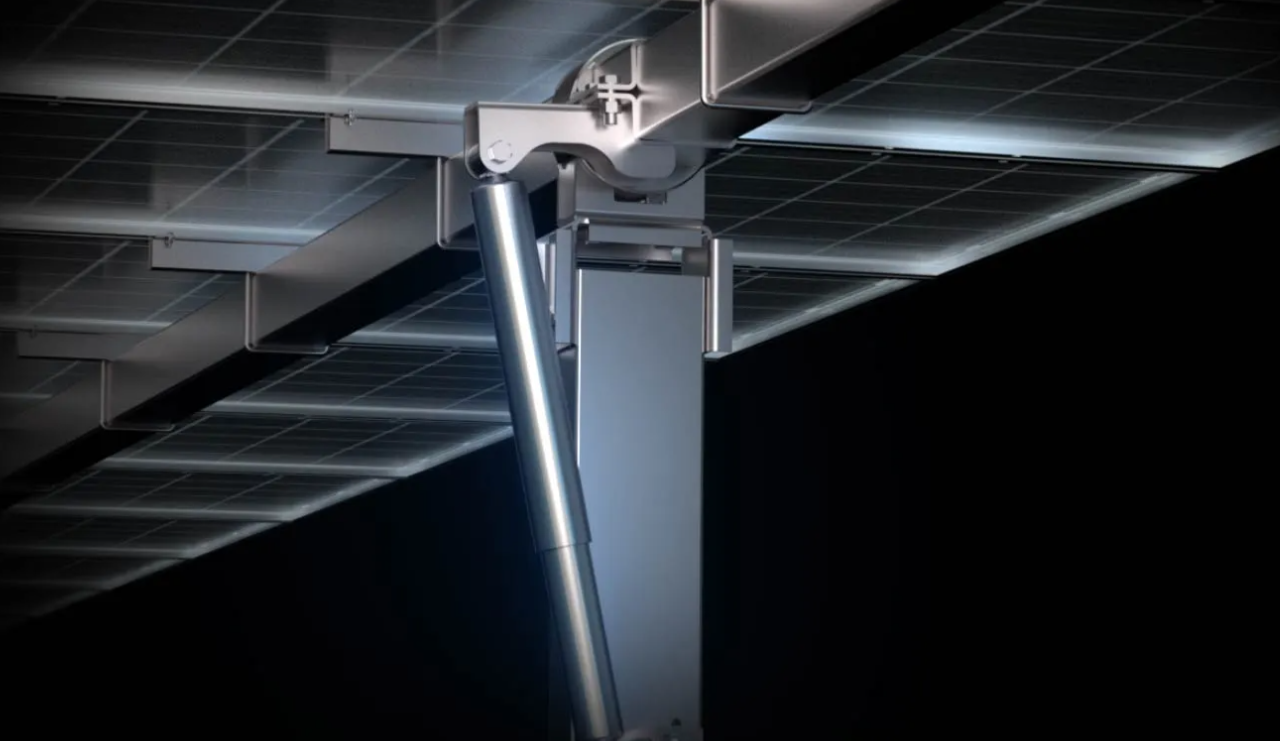
BIM (Building Information Modeling) provides a digital environment where different disciplines can work with shared project information. However, the effectiveness of BIM depends on the quality of the data added to the model. For solar mounting structures, accurate information from a solar mounting supplier allows engineers to create more realistic designs, evaluate structural conditions, and improve communication between project teams.
The integration of manufacturer data into BIM models is becoming an important part of PV engineering because it connects product specifications with practical project requirements.
Moving Beyond 3D Models: What Solar Racking Data Adds to BIM
A common misunderstanding is that BIM integration only requires a three-dimensional model of the mounting structure. While geometry is necessary, it represents only one part of the information needed for effective solar project planning.
A complete BIM resource should provide technical details that reflect how the mounting system performs in real conditions. This includes component dimensions, material properties, connection methods, and installation requirements. Engineers can then use the model not only for visualization but also for design evaluation.
For example, a mounting structure model containing accurate post locations and support spacing helps civil engineers coordinate foundation planning. Detailed rail and clamp information allows designers to confirm module positioning and avoid installation conflicts.
The value of BIM increases when the digital model represents the actual characteristics of the solar racking system rather than a simplified placeholder.
How Manufacturer Data Supports Different Project Stages
Solar projects involve multiple teams, and each stage requires different types of information. Integrating structural data into BIM helps maintain consistency from early planning through construction.
Accurate structural data allows many terrain, wind-load, and foundation decisions to be evaluated before construction begins, although field conditions may still require adjustments. Engineers use this mounting information during the design phase to develop appropriate layouts based on site conditions.
During engineering review, BIM models help teams examine relationships between the mounting system and other project elements. Designers can identify possible clashes involving cable routes, equipment areas, drainage systems, or maintenance corridors.
Later in the construction stage, accurate digital information supports better preparation. Installation teams can review component locations, understand assembly sequences, and reduce uncertainty caused by incomplete drawings.
This connection between design information and field execution is one reason BIM-based workflows are gaining attention in utility-scale solar development.
The Role of Data Accuracy in Structural Solar Design
Structural solar systems must meet specific requirements based on project location and environmental conditions. A BIM model that lacks accurate structural information may create unrealistic expectations about system performance.
Important information includes profile dimensions, material grades, connection details, and applicable design parameters. These details help engineers evaluate whether a selected mounting solution matches project requirements.
For example, a solar farm located in an area with high wind exposure requires careful consideration of structural strength and support configuration. If the digital model does not reflect actual component specifications, engineering analysis may produce unreliable results.
Working with an experienced solar mounting supplier can help project teams obtain consistent product information that supports accurate modeling and engineering decisions.
Common Difficulties in BIM Integration for Solar Mounting Systems
Although BIM offers clear advantages, project teams often face challenges when incorporating solar mounting data into their workflows.
One challenge is the difference in data standards between manufacturers. Some suppliers provide only basic geometry files, while others offer detailed engineering information. When the level of information varies, engineers may need to spend additional time modifying models before they can be used effectively.
Another issue is managing the balance between detail and efficiency. Large solar projects may contain thousands of mounting components. If every element is modeled with unnecessary complexity, BIM files can become difficult to manage and slow down collaboration.
The solution is not always adding more information. Instead, project teams need the right level of detail that supports engineering decisions while keeping the model practical for daily use.
Selecting a Solar Partner for BIM-Ready Project Delivery
When choosing a mounting system provider, project developers often focus on product performance, cost, and delivery capability. However, digital support has become another factor that affects project efficiency.
A supplier that understands BIM requirements can provide structured information that reduces manual work for engineering teams. Clear documentation, accurate component data, and compatibility with common design workflows allow projects to move forward more smoothly.
Communication between suppliers and project designers is also essential. Different solar installations have different requirements, and standardized information may need adjustments based on site conditions, regulations, or engineering methods.
The ability to support digital collaboration reflects a supplier’s overall technical capability and understanding of modern PV project development.
Building More Connected Solar Engineering Workflows
The future of PV design is moving toward more connected workflows where product information, engineering analysis, and construction planning work together. BIM provides the foundation for this approach by creating a shared digital environment throughout the project lifecycle.
Greater data integration in solar mounting systems means fewer revisions, better team coordination, and greater confidence in every decision—benefits that become even more critical as projects expand in scale and complexity. In this evolving landscape, digital accuracy will soon stand shoulder to shoulder with product durability.
Reliable engineering and digital collaboration are not separate priorities—they are two sides of the same coin in successful solar development. Antaisolar supports project coordination by providing project-specific mounting designs and technical documentation for modern PV applications.
BIM (Building Information Modeling) provides a digital environment where different disciplines can work with shared project information. However, the effectiveness of BIM depends on the quality of the data added to the model. For solar mounting structures, accurate information from a solar mounting supplier allows engineers to create more realistic designs, evaluate structural conditions, and improve communication between project teams.
The integration of manufacturer data into BIM models is becoming an important part of PV engineering because it connects product specifications with practical project requirements.
Moving Beyond 3D Models: What Solar Racking Data Adds to BIM
A common misunderstanding is that BIM integration only requires a three-dimensional model of the mounting structure. While geometry is necessary, it represents only one part of the information needed for effective solar project planning.
A complete BIM resource should provide technical details that reflect how the mounting system performs in real conditions. This includes component dimensions, material properties, connection methods, and installation requirements. Engineers can then use the model not only for visualization but also for design evaluation.
For example, a mounting structure model containing accurate post locations and support spacing helps civil engineers coordinate foundation planning. Detailed rail and clamp information allows designers to confirm module positioning and avoid installation conflicts.
The value of BIM increases when the digital model represents the actual characteristics of the solar racking system rather than a simplified placeholder.
How Manufacturer Data Supports Different Project Stages
Solar projects involve multiple teams, and each stage requires different types of information. Integrating structural data into BIM helps maintain consistency from early planning through construction.
Accurate structural data allows many terrain, wind-load, and foundation decisions to be evaluated before construction begins, although field conditions may still require adjustments. Engineers use this mounting information during the design phase to develop appropriate layouts based on site conditions.
During engineering review, BIM models help teams examine relationships between the mounting system and other project elements. Designers can identify possible clashes involving cable routes, equipment areas, drainage systems, or maintenance corridors.
Later in the construction stage, accurate digital information supports better preparation. Installation teams can review component locations, understand assembly sequences, and reduce uncertainty caused by incomplete drawings.
This connection between design information and field execution is one reason BIM-based workflows are gaining attention in utility-scale solar development.
The Role of Data Accuracy in Structural Solar Design
Structural solar systems must meet specific requirements based on project location and environmental conditions. A BIM model that lacks accurate structural information may create unrealistic expectations about system performance.
Important information includes profile dimensions, material grades, connection details, and applicable design parameters. These details help engineers evaluate whether a selected mounting solution matches project requirements.
For example, a solar farm located in an area with high wind exposure requires careful consideration of structural strength and support configuration. If the digital model does not reflect actual component specifications, engineering analysis may produce unreliable results.
Working with an experienced solar mounting supplier can help project teams obtain consistent product information that supports accurate modeling and engineering decisions.
Common Difficulties in BIM Integration for Solar Mounting Systems
Although BIM offers clear advantages, project teams often face challenges when incorporating solar mounting data into their workflows.
One challenge is the difference in data standards between manufacturers. Some suppliers provide only basic geometry files, while others offer detailed engineering information. When the level of information varies, engineers may need to spend additional time modifying models before they can be used effectively.
Another issue is managing the balance between detail and efficiency. Large solar projects may contain thousands of mounting components. If every element is modeled with unnecessary complexity, BIM files can become difficult to manage and slow down collaboration.
The solution is not always adding more information. Instead, project teams need the right level of detail that supports engineering decisions while keeping the model practical for daily use.
Selecting a Solar Partner for BIM-Ready Project Delivery
When choosing a mounting system provider, project developers often focus on product performance, cost, and delivery capability. However, digital support has become another factor that affects project efficiency.
A supplier that understands BIM requirements can provide structured information that reduces manual work for engineering teams. Clear documentation, accurate component data, and compatibility with common design workflows allow projects to move forward more smoothly.
Communication between suppliers and project designers is also essential. Different solar installations have different requirements, and standardized information may need adjustments based on site conditions, regulations, or engineering methods.
The ability to support digital collaboration reflects a supplier’s overall technical capability and understanding of modern PV project development.
Building More Connected Solar Engineering Workflows
The future of PV design is moving toward more connected workflows where product information, engineering analysis, and construction planning work together. BIM provides the foundation for this approach by creating a shared digital environment throughout the project lifecycle.
Greater data integration in solar mounting systems means fewer revisions, better team coordination, and greater confidence in every decision—benefits that become even more critical as projects expand in scale and complexity. In this evolving landscape, digital accuracy will soon stand shoulder to shoulder with product durability.
Reliable engineering and digital collaboration are not separate priorities—they are two sides of the same coin in successful solar development. Antaisolar supports project coordination by providing project-specific mounting designs and technical documentation for modern PV applications.
end